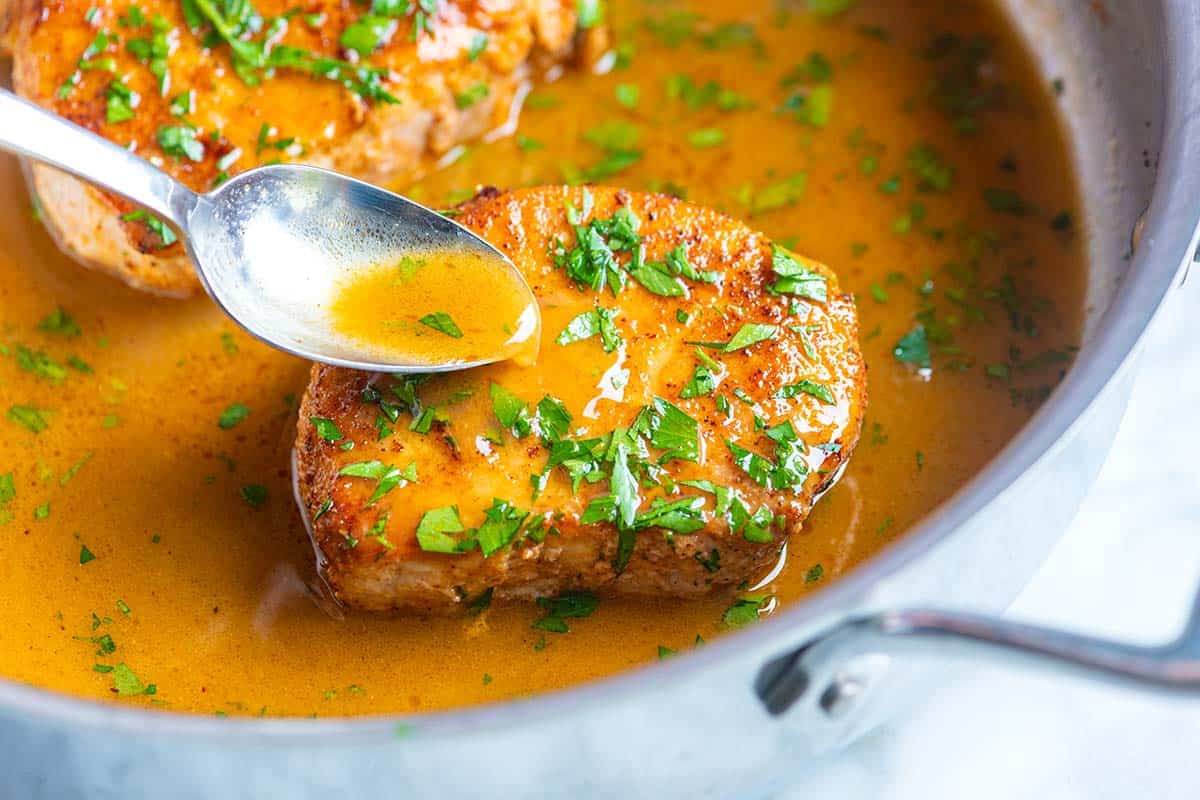
Are you tired of dry, bland pork chops that feel like a chore to eat? Do you dream of serving up a meal that rivals a great steak in flavor and tenderness, all while being incredibly simple to prepare? If so, get ready to transform your weeknight dinners! This comprehensive guide will walk you through mastering a truly delectable simple skillet pork chops recipe that is so easy, it’s practically foolproof, and guaranteed to earn rave reviews from your entire family.
For too long, pork chops have been unfairly maligned, often associated with a tough texture and lack of flavor. But what if we told you that the secret to incredibly juicy, tender, and mouthwatering pork chops lies in one of the most basic kitchen tools – your skillet? Prepare to have your mind blown and your taste buds delighted, as we unveil the straightforward techniques that turn ordinary pork into an extraordinary culinary experience.
The Skillet Advantage: Why This Method Changes Everything
The beauty of cooking pork chops in a skillet is its sheer efficiency and the incredible flavor it coaxes out of the meat. Unlike baking or grilling, which can sometimes dry out leaner cuts, pan-searing creates a beautiful, caramelized crust that locks in moisture and develops rich, savory notes. This method isn't just about cooking; it's about transforming the pork, moving it from a potentially forgettable meal to a standout dish. Many people, including ourselves, have long struggled with pork chops, finding them typically dry, tough, or bland. However, this skillet method challenges all those preconceived notions.
Imagine pork chops so tender they practically melt in your mouth, bursting with savory flavor, and so juicy you’ll be reaching for another bite before the first is even finished. That's the promise of this simple skillet pork chops recipe. It's a revelation, proving that you don't need fancy ingredients or complicated techniques to achieve restaurant-quality results at home. This approach focuses on fundamental cooking principles, making it accessible even for beginner cooks. In fact, these skillet pork chops are so good, they can easily stand up next to a perfectly cooked steak any day of the week!
Mastering the Fundamentals: Time, Temperature, and Thickness
The success of any pan-seared meat, especially pork chops, hinges on three critical elements: time, temperature, and thickness. Ignore these, and you risk reverting to the dry, tough chops of old. Embrace them, and you’ll unlock a world of flavor and tenderness.
Choosing and Preparing Your Chops for Perfection
- Thickness is Key: For this simple skillet pork chops recipe, aim for chops that are at least 3/4-inch to 1-inch thick. Thinner chops cook too quickly, increasing the risk of overcooking. Thicker chops allow for a beautiful sear on the outside while maintaining juiciness within.
- Bone-In vs. Boneless: While boneless chops are convenient, bone-in chops often retain more moisture and impart additional flavor during cooking. Either works, but consider bone-in for an extra layer of deliciousness.
- Slice Your Own for Value and Control: A fantastic tip, as highlighted by experienced cooks, is to buy an inexpensive sirloin tip pork roast and slice it yourself into thick chops. Not only is this significantly more cost-effective than purchasing pre-cut thick chops, but it also gives you complete control over the ideal thickness. It’s surprisingly simple and a great way to save money while ensuring quality.
- Pat Them Dry: Before seasoning, always pat your pork chops thoroughly dry with paper towels. Excess moisture on the surface prevents a good sear, resulting in steamed rather than beautifully browned chops.
The Art of Searing: Heat and Timing
Once your chops are prepped, it's all about the skillet. A heavy-bottomed skillet, such as cast iron or stainless steel, is ideal for even heat distribution. Preheat your skillet over medium-high heat until it's sufficiently hot. A few drops of water should sizzle and evaporate instantly. Add a tablespoon or two of oil with a high smoke point (like grapeseed, canola, or avocado oil) or melted butter, ensuring the bottom of the pan is coated.
The magic happens quickly. For a 1-inch thick pork chop, searing for approximately 3 minutes per side is often the sweet spot. This allows for a deep golden-brown crust to form while the internal temperature rises to a safe, yet incredibly juicy, level. The first time many home cooks try this method, they're astonished by how quickly perfect results are achieved.
A word of caution: Do not be tempted to overcook! Even an extra minute can make a noticeable difference in texture and juiciness. If you accidentally slice a chop too thin, reduce its cooking time accordingly. The beauty of this method, however, is that it's quite forgiving; even a slightly overcooked chop using this technique will still be far superior to traditionally dry ones.
No More Dry Chops: Skillet Pork Chops That Rival Steak provides further insights into achieving that perfect balance.The Simple Skillet Pork Chops Recipe: Your Step-by-Step Guide
Ready to get cooking? Here’s a breakdown of the steps that make this the best simple skillet pork chops recipe you'll ever encounter.
Step 1: Seasoning and Optional Dredge
Proper seasoning is the foundation of flavor. Beyond just salt and pepper, consider a light dredge for an extra layer of crust and spice.
- Basic Seasoning: Liberally season your dried pork chops on both sides with salt and freshly ground black pepper. Don't be shy – this is where much of the flavor comes from.
- Flavorful Dredge (Optional but Recommended): In a shallow dish, whisk together 1/4 cup all-purpose flour with 1/2 teaspoon salt, 1/4 teaspoon black pepper, 1/4 teaspoon garlic powder, and a tiny pinch of cayenne pepper for a subtle kick (as suggested in some classic preparations). Dredge each pork chop lightly in this mixture, shaking off any excess. This thin coating creates an irresistible crispy crust.
Step 2: The Searing Process
This is where the skillet truly shines.
- Heat your heavy-bottomed skillet over medium-high heat.
- Add 1-2 tablespoons of butter (for flavor and browning) or a blend of butter and a high smoke point oil. Let it melt and shimmer.
- Carefully place the seasoned (or dredged) pork chops into the hot skillet, ensuring not to overcrowd the pan. Cook in batches if necessary to maintain pan temperature.
- Sear for 3 minutes without moving them. This allows for the formation of that beautiful, golden-brown crust.
- Flip the chops and sear for another 3 minutes on the second side.
- For thicker chops (closer to 1.5 inches), you might need an additional minute per side, or a quick sear on the edges. The internal temperature should reach 145°F (63°C) for medium-rare, which is perfectly safe and ensures maximum juiciness. A meat thermometer is your best friend here!
Step 3: The Crucial Rest
Just like with steak, resting is non-negotiable for juicy pork chops.
- Once cooked, immediately remove the pork chops from the skillet and transfer them to a plate or cutting board.
- Tent them loosely with foil and let them rest for at least 5 minutes (up to 10 minutes for thicker chops). This resting period allows the juices, which have been driven to the center during cooking, to redistribute throughout the meat, resulting in incredibly tender and succulent chops. Skipping this step is a common mistake that leads to dry meat.
Elevate Your Meal: Serving Suggestions and Pro Tips
Perfect Pairings
These incredibly simple skillet pork chops are versatile and pair wonderfully with a variety of sides. Think about complementing their richness with something fresh or starchy.
- Classic Comfort: Serve alongside creamy mashed potatoes or the unique texture of Hasselback Potatoes.
- Vibrant Veggies: Roasted asparagus, green beans with garlic, or Smoky Buttery Brussels Sprouts (a fantastic complement as mentioned by others) are excellent choices. A simple side salad also works beautifully.
- Hearty Grains: Wild rice pilaf or quinoa can add substance and texture to your plate.
Pro Tips for Consistent Success
- Don't Overcrowd the Pan: Give each chop space to breathe. Crowding lowers the pan temperature, leading to steaming instead of searing.
- Use a Meat Thermometer: For absolute confidence, a quick-read thermometer is invaluable. Aim for 145°F (63°C) for perfectly juicy, slightly pink pork.
- Pan Sauce Perfection: After removing the chops, you can often make a quick pan sauce by deglazing the skillet with a splash of broth, white wine, or even a bit of apple cider, scraping up the browned bits, and simmering until slightly thickened. A pat of butter swirled in at the end adds richness.
- Season Well: Don't underestimate the power of salt and pepper. They are the backbone of flavor.
Conclusion
Say goodbye to dry, flavorless pork chops forever! This simple skillet pork chops recipe is a true game-changer, proving that incredible flavor and tenderness are well within reach, even on your busiest weeknights. By focusing on proper thickness, controlled heat, and crucial resting, you can achieve results that will surprise and delight everyone at your table. It’s an easy technique that, once mastered, will become a beloved staple in your home, bringing smiles and satisfied sighs with every juicy bite. Go ahead, give it a try – your family will thank you!
